A solar battery is the single most expensive component of a storage system and the one most likely to be replaced before the rest of the installation wears out. Chemistry is what decides when that replacement happens. This guide compares the three chemistries sold in India today on the numbers that actually govern cost of ownership: cycle life, usable depth of discharge, heat tolerance, and round-trip efficiency.
What is the difference between LiFePO4, lithium-ion and lead acid batteries?
LiFePO4 (lithium iron phosphate, or LFP) is a lithium chemistry using iron phosphate cathodes, rated for 3,000 to 6,000 cycles with 90 percent usable depth of discharge. Lithium-ion normally refers to NMC cells, which store more energy per kilogram but tolerate heat poorly and last 2,000 to 3,000 cycles. Lead acid is the legacy chemistry: cheapest upfront, 500 to 1,200 cycles, and only 50 percent usable.
The short answer
For a new solar installation in India in 2026, LiFePO4 is the correct choice in almost every residential and commercial case. Lead acid remains defensible only where upfront capital is hard-capped and the system will cycle infrequently. NMC lithium-ion is rarely the right answer for a fixed rooftop installation in Indian ambient temperatures, though it dominates in electric vehicles where weight matters more than lifespan.
The rest of this guide explains why, with the numbers.
Full comparison table
| Specification | LiFePO4 (LFP) | Lithium-ion (NMC) | Lead acid (tubular / VRLA) |
|---|---|---|---|
| Typical cycle life | 3,000 to 6,000 | 2,000 to 3,000 | 500 to 1,200 |
| Usable depth of discharge | 90 to 95 percent | 80 to 90 percent | 50 percent |
| Round-trip efficiency | 95 to 98 percent | 92 to 96 percent | 75 to 85 percent |
| Safe operating temperature | up to 45 to 50 °C | up to 35 to 40 °C | up to 35 °C before rapid degradation |
| Thermal runaway risk | Very low | Moderate | None, but hydrogen venting |
| Energy density | Moderate | High | Low |
| Weight for 5 kWh | ~45 to 55 kg | ~35 to 45 kg | ~180 to 220 kg |
| Maintenance | None | None | Water topping, terminal cleaning, equalisation |
| Ventilation needed | No | No | Yes |
| Typical warranty | 5 year standard, extendable to 10 | 3 to 5 year | 2 to 3 year, often pro-rata |
| Best suited to | Rooftop solar, daily cycling, Indian ambient heat | EVs, weight-constrained applications | Low-cycle backup, tight upfront budgets |
Why cycle life matters more than the price on the quotation
The number most buyers compare is price per kilowatt-hour of nameplate capacity. That figure is misleading, because it prices the battery rather than the energy the battery will deliver over its life.
The honest comparison is cost per usable kilowatt-hour delivered. Here is the calculation for a home that needs 5 kWh of usable storage each evening.
LiFePO4 A 5.12 kWh LFP unit rated at 6,000 cycles delivers about 4.6 kWh per cycle at 90 percent depth of discharge. Across its rated life that is roughly 27,650 kWh of energy delivered from a single unit.
Lead acid Because only half the capacity is usable, 9.2 kWh of nameplate capacity is needed to deliver the same 4.6 kWh each evening. Rated between 800 and 1,200 cycles, that bank delivers between 3,700 and 5,500 kWh across its life before replacement.
The LFP unit delivers five to seven times more total energy, from roughly half the nameplate capacity, and it does so from a single purchase rather than three or four. That is the entire argument, and it is why comparing purchase prices leads buyers to the wrong conclusion.
Three further factors widen the gap and none of them appear on a quotation. Lead acid loses 15 to 20 percent of every charge cycle to inefficiency, against roughly 4 percent for LFP. The bank has to be replaced every two to three years under daily cycling, each replacement carrying installation labour and disposal. And rated cycle life assumes 25 °C, which most Indian battery locations are not.
At larger capacities the arithmetic holds. A 14.3 kWh LFP unit rated at 8,000 cycles delivers over 100,000 kWh across its rated life.
How Indian conditions change the answer
Most battery specification sheets are written against a 25 °C test condition. Very few Indian installations run at 25 °C.
Ambient heat. In much of India, an unconditioned utility room, garage, or covered terrace sits between 35 °C and 48 °C for a large part of the year. Lead acid loses capacity rapidly above 35 °C and its rated life assumptions stop holding. NMC cells are temperature-sensitive enough that manufacturers commonly specify active thermal management, which adds cost and a failure point. LFP is the most tolerant of the three, which is the main reason it has become the default chemistry for Indian rooftop storage.
Outage patterns. In regions with frequent short cuts, the battery cycles partially many times a day rather than deeply once. Partial cycling is where lead acid degrades fastest, because it is chronically left below a full state of charge. LFP is indifferent to partial cycling.
Dust and humidity. Coastal and industrial sites need a sealed enclosure with a stated IP rating. Vented lead acid banks in these conditions need a dedicated, ventilated room, which is a real installation cost that rarely appears on the comparison quotation.
Which chemistry for which installation
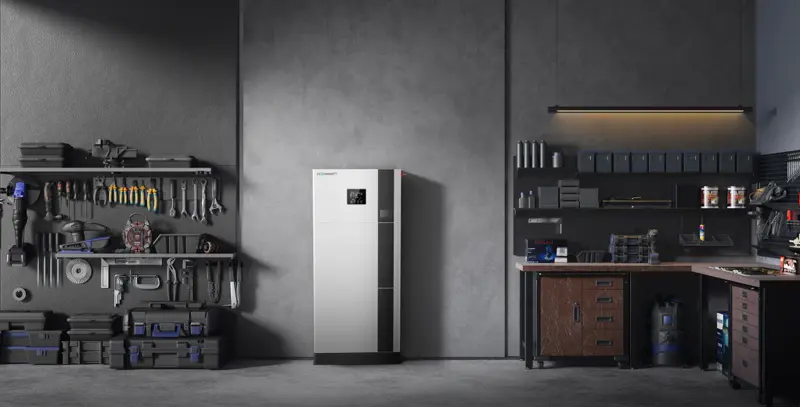
A 2 or 3 BHK home with daily solar self-consumption. LFP. The system will cycle every day, which is precisely the case where cycle life decides cost of ownership. A single 5 kWh class unit covers evening lighting, fans, refrigeration, and a television, with an inverter sized to the surge load rather than the average load.
A home with an existing lead acid bank. LFP as a retrofit, not a mix. Never parallel lead acid and lithium banks on the same bus. The charge profiles are different and the lithium bank will be forced to compensate for the weaker chemistry.
Small commercial and light industrial. LFP in a stackable or high-voltage configuration. The decision that matters more than chemistry here is low voltage versus high voltage, which is a separate article.
Occasional backup only, cycling a few times a month. This is the one case where lead acid still holds an argument, because cycle life is not the binding constraint and the upfront saving is real. Confirm the site stays below 35 °C and that someone will actually perform the maintenance.
Anything mobile or weight-constrained. NMC, for energy density. Not a rooftop consideration.
What to check on the spec sheet before you buy
Chemistry alone does not make a good battery. Two LFP units at the same price can differ substantially. Check these five things.
- Cycle life, and the conditions it was measured at. A 6,000 cycle claim at 25 °C and 80 percent depth of discharge is a different product from 6,000 cycles at 45 °C and 90 percent. If the conditions are not stated, treat the number as marketing.
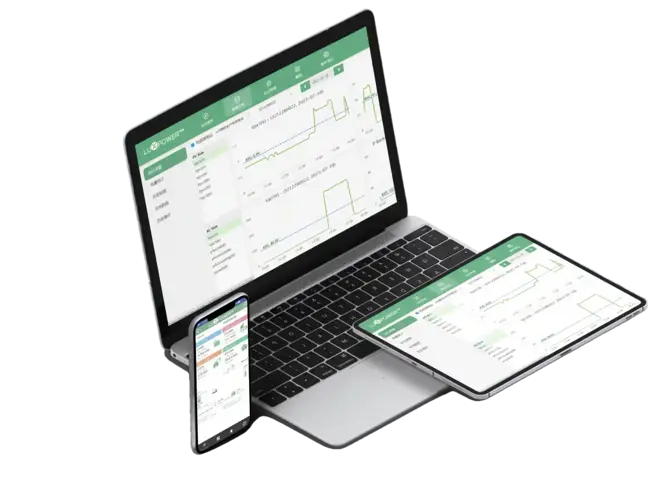
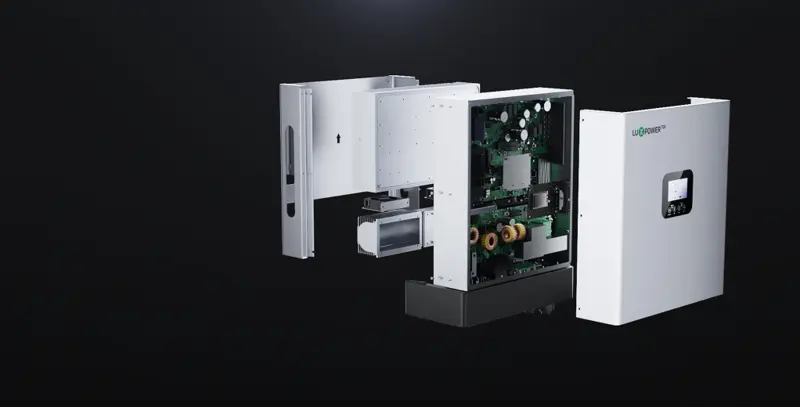
- BMS communication with your inverter. The battery management system protects against overcharge, over-discharge, cell imbalance, and thermal excursion. It only does that properly when it talks to the inverter over CAN or RS485 with a supported protocol. An LFP battery running in voltage-only mode is a downgrade you paid a premium for.
- Warranty structure, not warranty length. A product warranty and a capacity warranty are different instruments. The question to ask is what capacity retention is guaranteed, at what year, and whether the warranty is pro-rata.
- Certifications visible outside the PDF. BIS, IEC 62619, and CE where applicable. Ask for the certificate number, not the logo.
- Stackability and expansion path. Households consistently underestimate future load, particularly once an EV arrives. A chemistry that supports parallel expansion without replacing the original unit protects the initial spend.
Frequently asked questions
Is LiFePO4 the same as lithium-ion? LiFePO4 is a type of lithium-ion battery, distinguished by its iron phosphate cathode. In everyday Indian usage, "lithium-ion" usually refers to NMC cells. The two differ significantly: LFP offers longer cycle life and better heat tolerance, NMC offers higher energy density.
How long does a LiFePO4 solar battery last in India? A quality LFP battery rated for 4,000 to 6,000 cycles and cycled once daily has a working life of roughly 10 to 15 years. Sustained ambient temperatures above 45 °C, chronic deep discharge, and a poorly matched charge profile all shorten this.
Can I replace my lead acid battery with a lithium one? Yes, provided the inverter supports lithium charge profiles and, ideally, BMS communication. Some older inverters are voltage-only and cannot manage a lithium bank correctly. Confirm compatibility before purchase, and never run the two chemistries in parallel.
Is LiFePO4 safe for indoor installation? LFP is the most thermally stable of the common lithium chemistries and is widely installed indoors in sealed enclosures. It does not vent hydrogen and requires no ventilated battery room, unlike flooded lead acid.
Why is lithium more expensive than lead acid? The upfront price per kilowatt-hour is higher because of cell cost. Cost per kilowatt-hour actually delivered over the battery's life is substantially lower, because LFP delivers several times more total energy before replacement and wastes less on every charge cycle.
What depth of discharge is safe for LiFePO4? Routine discharge to 90 percent is normal and is what published cycle ratings assume. Lead acid should not be routinely discharged past 50 percent, which is why a lead acid bank must be roughly twice the nameplate size for the same usable capacity.
Does a battery need a BMS? Every lithium battery needs one. The BMS balances cells, enforces voltage and temperature limits, and reports state of charge to the inverter. Lead acid does not use a BMS, which is also why it has no protection against the abuse that shortens its life.
Which battery is best for frequent power cuts? LFP. Frequent outages mean frequent partial cycling, which is the pattern lead acid handles worst and lithium iron phosphate handles best.
BITEK batteries by application
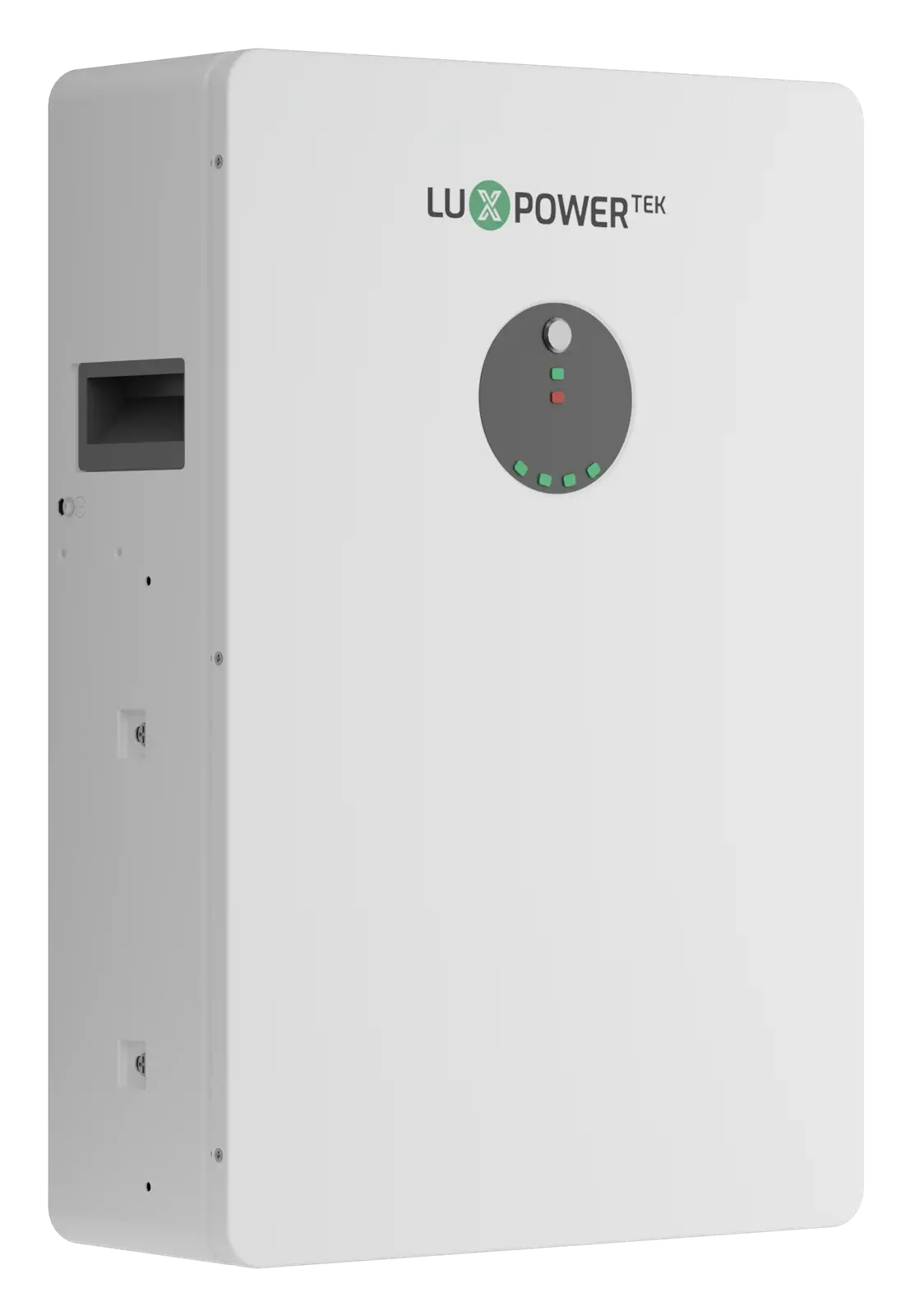
- ECO-5120 ESS: 5.12 kWh LFP, 6,000 cycles, 51.2 V, stackable. Residential and light commercial. 5 year warranty as standard, extendable to 10.
- PowerGem: 5.12 kWh at 51.2 V, 6,000 cycles, 10 year warranty. PowerGem PRO: 14.3 kWh, 280 Ah, 8,000 cycles, for larger residential and commercial loads.
- PowerStack: 5 kWh modules at 70.4 V with a separate control unit. High voltage commercial installations.
- PShield Max: high capacity storage.
Pair any of these with a BITEK hybrid inverter with matched BMS communication. For sizing, see our guide on matching battery capacity to a real household load profile.